
A standing dehumidifier is the most effective solution for controlling moisture in large, damp, or chronically humid spaces — basements, open-plan living areas, garages, and crawl spaces included. Unlike compact tabletop units, a standing (also called freestanding or whole-room) dehumidifier extracts 30 to 70+ pints of moisture per day, operates continuously with a drain hose, and covers areas up to 4,500 square feet. If your space exceeds 500 sq ft or humidity consistently reads above 60%, a standing dehumidifier is the right tool.
The term "standing dehumidifier" refers to a full-size, floor-standing unit designed for whole-room or whole-home moisture control. The key distinctions from portable mini or tabletop dehumidifiers are not just cosmetic — they're functional.
Undersizing is the most common mistake buyers make. A unit that's too small for the space runs constantly without achieving target humidity, shortening its lifespan and wasting electricity. Use the table below to match your space and moisture level to the correct capacity.
| Space Size | Moderately Damp (50–60% RH) | Very Damp (60–70% RH) | Wet / Chronic Moisture (70%+ RH) |
|---|---|---|---|
| Up to 500 sq ft | 20–30 pints/day | 30 pints/day | 30–40 pints/day |
| 500–1,000 sq ft | 30 pints/day | 40 pints/day | 50 pints/day |
| 1,000–2,000 sq ft | 40–50 pints/day | 50 pints/day | 60–70 pints/day |
| 2,000–3,500 sq ft | 50 pints/day | 60–70 pints/day | 70–90 pints/day |
| 3,500–4,500 sq ft | 60–70 pints/day | 70–90 pints/day | 90–120 pints/day |
If your basement or space has visible water seepage, efflorescence on walls, or a persistent musty odor, always size up one capacity tier from what the chart suggests. These are indicators of structural moisture intrusion, not just ambient humidity.
Where you place the unit has as much impact on performance as the unit's rated capacity. Poor placement can reduce effective extraction by 20–40% even on a properly sized machine.
Basements are the single most common use case for standing dehumidifiers. Below-grade spaces trap moisture year-round because the concrete walls and floors absorb groundwater and release it as vapor. In finished basements, place the unit in an open utility area rather than in a closed room. In unfinished basements, the unit can be positioned near the center of the main area with a drain hose run directly to a floor drain.
A standing dehumidifier with only an internal tank requires manual emptying every 8–16 hours during heavy operation — impractical for basements or spaces where you're not present daily. Prioritize models with a gravity drain port (runs a hose to a floor drain) or a built-in condensate pump that pushes water up and out through a window or utility sink. A condensate pump is essential when the drain point is higher than the unit itself.
Standard refrigerant-based standing dehumidifiers work best at temperatures above 60°F (15°C). Below that, the coils can frost over and the unit shuts down. If you need to dehumidify a cold garage, crawl space, or unheated basement in winter, look specifically for:
Most full-size standing dehumidifiers operate between 48 and 56 dB — comparable to a quiet conversation or a running refrigerator. If the unit will run near a bedroom or living space, prioritize models advertised at 50 dB or below and check whether the fan speed (which affects noise) can be set independently from the dehumidification mode.
For unattended operation — which is the primary advantage of a standing unit — look for:
A common concern about standing dehumidifiers is energy consumption. The actual cost depends on the unit's wattage, how many hours per day it runs, and your local electricity rate. Here is a realistic breakdown:
| Unit Capacity | Typical Wattage | Cost / Day (12 hrs @ $0.15/kWh) | Cost / Month |
|---|---|---|---|
| 30 pints/day | 300–400W | $0.54–$0.72 | $16–$22 |
| 50 pints/day | 500–600W | $0.90–$1.08 | $27–$32 |
| 70 pints/day | 700–800W | $1.26–$1.44 | $38–$43 |
In practice, a properly sized unit with a built-in humidistat will not run 12 hours every day once it achieves target humidity. After the initial drying-out period — typically 3–7 days in a moderately damp basement — a 50-pint unit may cycle on for only 4–6 hours per day to maintain the set level, cutting the monthly cost roughly in half. Choosing an Energy Star-rated model reduces consumption further by 15–30% versus non-certified equivalents.
Dehumidifiers require minimal but consistent maintenance. Neglecting the filter is the leading cause of reduced extraction performance — a clogged filter forces the unit to work harder while pulling less moisture from the air.
A standing dehumidifier is the right choice in most residential moisture scenarios, but it's worth understanding where it fits against the alternatives:
| Solution | Best For | Coverage | Typical Cost |
|---|---|---|---|
| Standing Dehumidifier | Basements, large rooms, whole-floor control | Up to 4,500 sq ft | $180–$500 |
| Compact / Mini Dehumidifier | Closets, small bathrooms, RVs | Up to 500 sq ft | $40–$120 |
| Whole-Home Dehumidifier (HVAC-integrated) | Whole-house humidity control via ductwork | Entire home | $1,200–$2,800 installed |
| Desiccant Moisture Absorbers | Closets, stored items, short-term use | Very small areas only | $5–$20 (disposable) |
| Exhaust / Ventilation Fan | Bathrooms, kitchens — source moisture removal | Single room | $30–$150 installed |
For most homeowners dealing with a damp basement, crawl space, or chronically humid open-plan area, a standing dehumidifier in the 50-pint range priced between $200–$350 represents the optimal combination of extraction capacity, running cost, and long-term reliability. It outperforms compact units on coverage and cost far less than a whole-home HVAC-integrated system — making it the practical default choice for the majority of residential moisture problems.
The case for running a standing dehumidifier is not just about comfort. Sustained indoor humidity above 60% RH creates measurable problems:
The EPA recommends maintaining indoor relative humidity between 30% and 50% for optimal health and structural protection. A standing dehumidifier with an accurate humidistat is the most reliable way to achieve and hold that range in problem areas of the home.
فیلتراسیون سه مرحله ای: اسکرابر هوا دارای یک سیستم فیلتراسیون سه مرحله ای است که شامل یک فیلتر پیش فیلتر (MERV-10)، فیلتر کربن و فیلتر H13 HEPA است. این دستگاه به طور موثر گرد و غبار، گرده، دود و ب...
جزئیات را ببینید
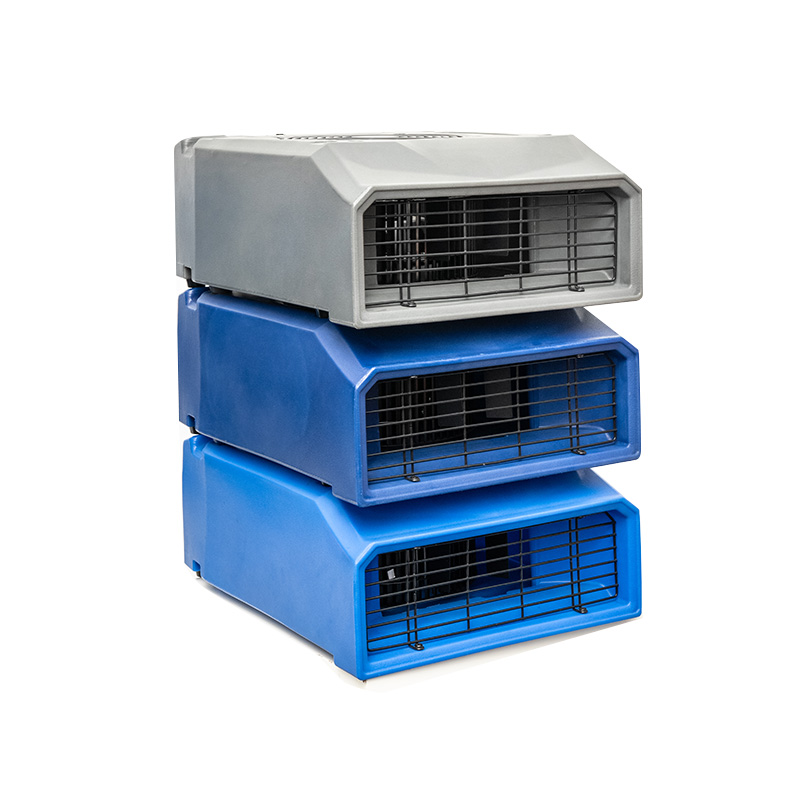
خشک کن های فرش نازک با حجم هوای بالا AM-B01 مجهز به موتور قدرتمندی است که جریان هوای بالایی تولید می کند تا اطمینان حاصل شود که فرش شما به طور کامل و سریع خشک می شود. این حجم هوای زیاد نه تنها تبخی...
جزئیات را ببینید
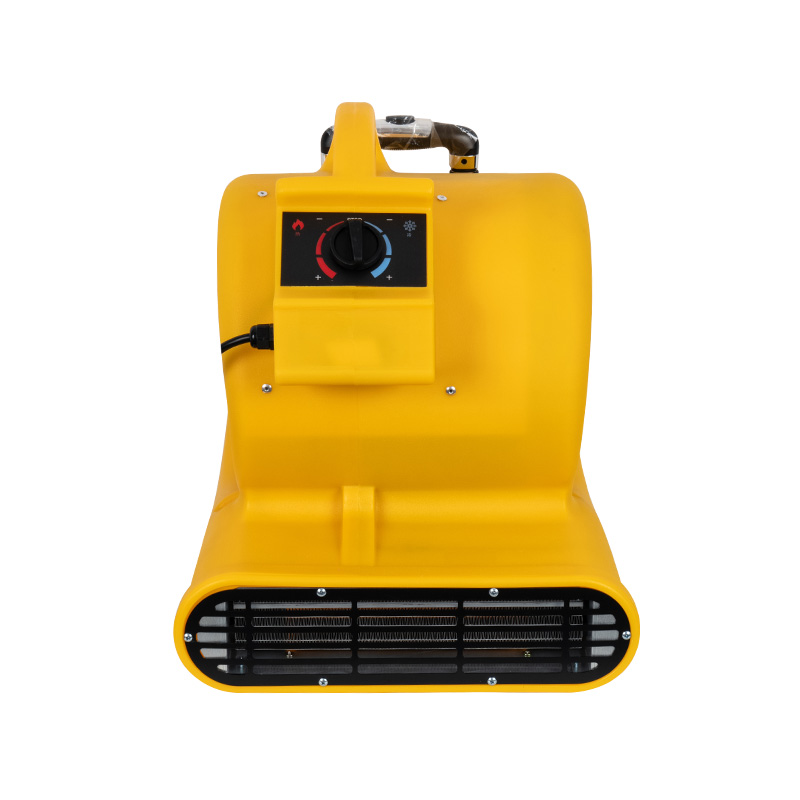
فن های خشک و سرد فرش AM-A01 واحدهای همه کاره ای هستند که برای سرعت بخشیدن به فرآیند خشک کردن فرش با استفاده از هوای سرد و گرم طراحی شده اند. با ترکیب مزایای گردش هوای سرد و گرم، این فن های نوآورانه...
جزئیات را ببینید
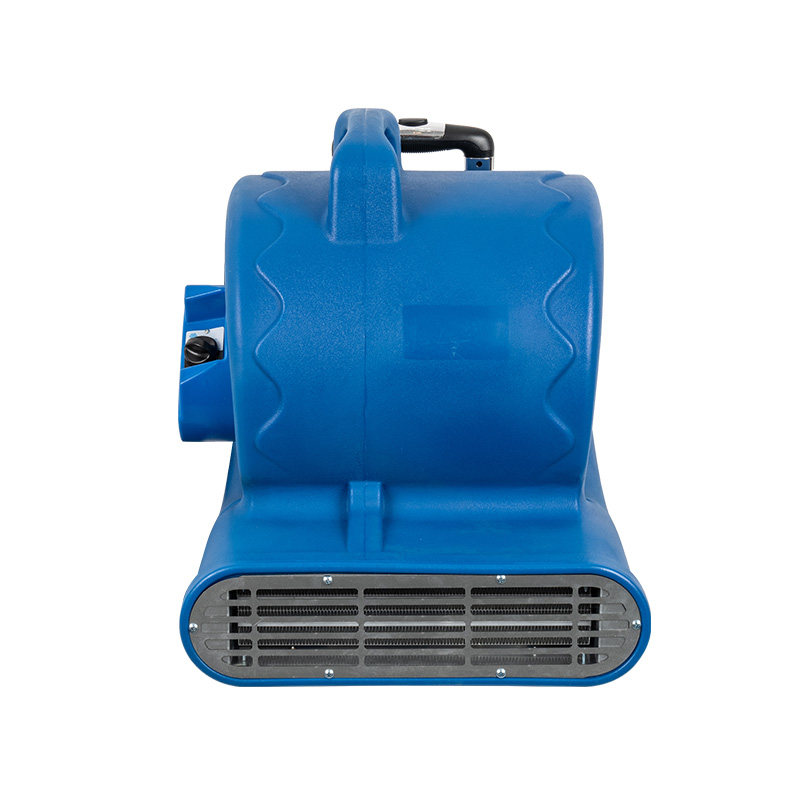
خشک کن های فرش بادی گریز از مرکز چند بال AM-A02 به طور موثری قدرت باد و جریان هوا را برای خشک کردن سریعتر و کارآمدتر فرش با استفاده از فناوری چرخ باد گریز از مرکز چند بال افزایش می دهند. از طریق طر...
جزئیات را ببینید
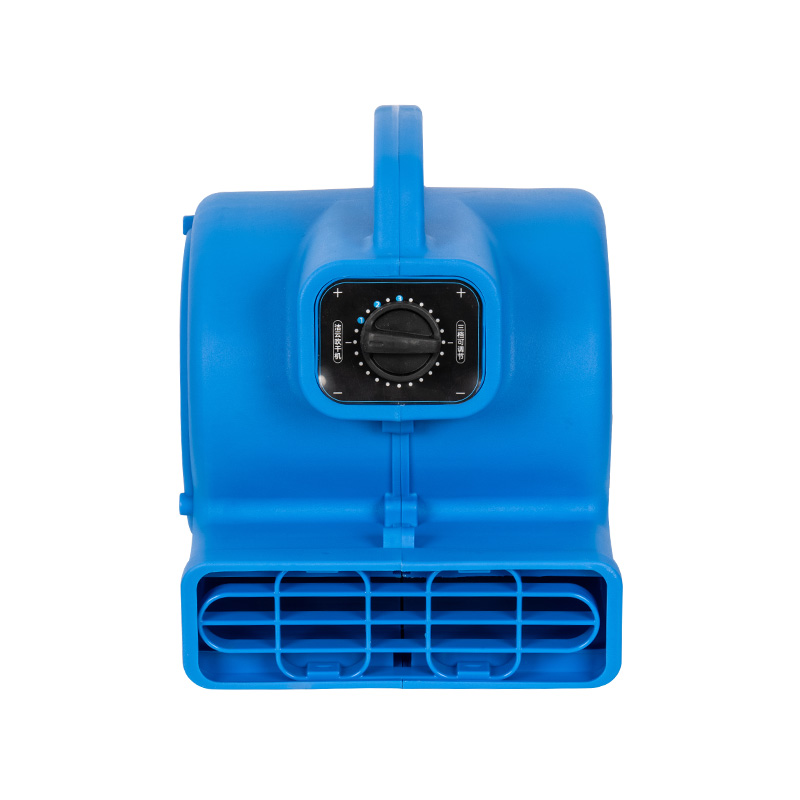
خشک کن فرش کف محوری کوچک AM-A03 یک واحد خشک کن بسیار کارآمد و همه کاره با هواگیر گریز از مرکز برای خشک کردن سریعتر سطح است. نه تنها برای خشک کردن فرش، کف، مبلمان، پنجره ها و دیوارها مناسب است، بلکه...
جزئیات را ببینید
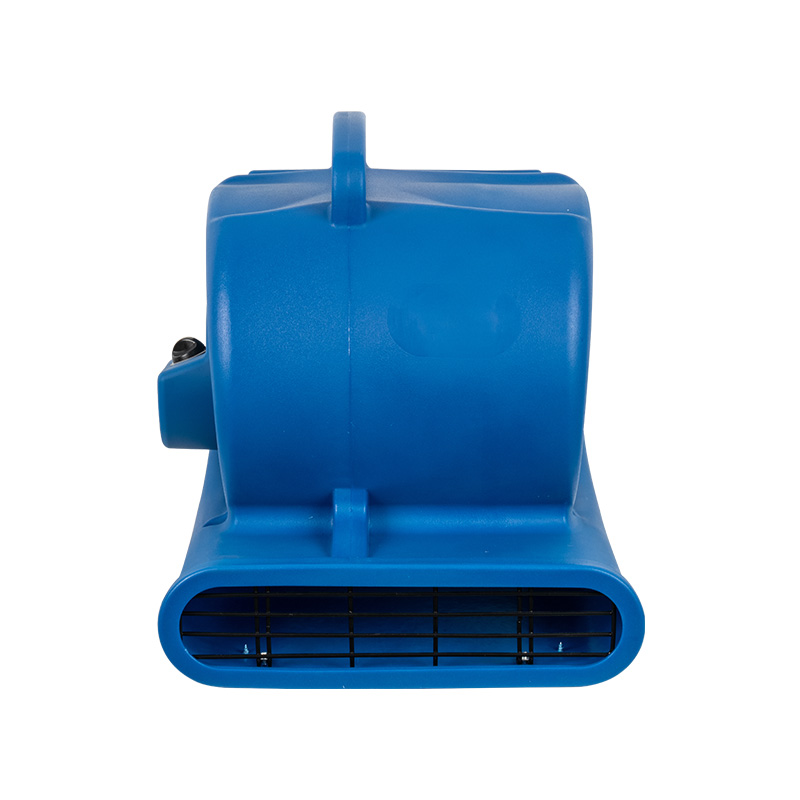
خشک کن کف دیواری فرش قابل حمل سبک AM-A04 دارای فناوری پیشرفته حرکت هوای گریز از مرکز برای نتایج سریعتر خشک کردن سطح است. نه تنها برای طیف وسیعی از کارهای خشک کردن فرش، کف، مبلمان، پنجره و دیوار منا...
جزئیات را ببینیداطلاعات فروشگاه
پلاک 88، خیابان یوکسین، خیابان سانجیانگ، شهر شنگژو، شهر شائوکسینگ، استان ژجیانگ، چین
+86-13819532379
پیوندها
محصولات
ترمینال موبایل

